The incident response retainer: why preparation changes the outcome
A contract already signed, a plan already rehearsed, roles already assigned.

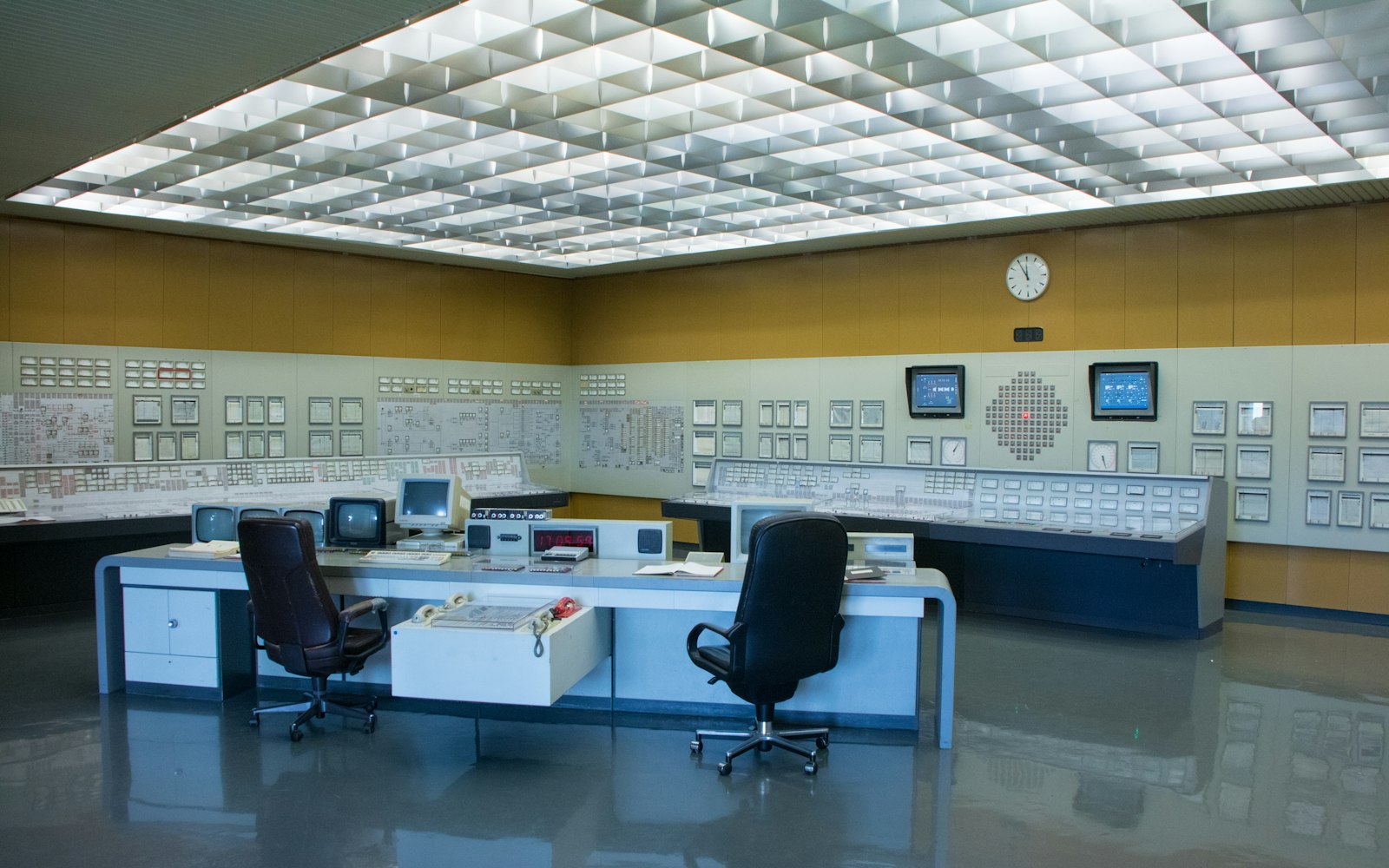
Most companies meet an incident response professional on the worst possible day: while systems are down and the clock is running. That is the moment they negotiate a contract, explain their network architecture to a stranger and try to work out who decides — all at once, under stress. The retainer exists to move all of that work earlier, to when decisions are made well.
An incident response retainer is not just guaranteed availability on call. It is structured preparation: the team knows you before the incident, the plan is written and rehearsed, and roles are assigned while things are still calm. The difference between those with a retainer and those without rarely lies in the technical skill of the responders — it lies in the time lost before the responders can act.
The contract already signed
Negotiating terms, liability and rates while you are on fire costs precious hours and puts you in a weak position. With a retainer the contract is already signed, the terms agreed and availability defined by an SLA with clear response times. When you call, the work starts; the bargaining is already done.
Knowing the environment before, not during
A team coming in cold spends the first hours working out where the logs are, which systems are critical, how the network is segmented and who to contact. With a retainer this onboarding happens in peacetime: critical assets are mapped, the right logs are confirmed to exist and to be retained long enough, contacts are documented. When the incident arrives, the team starts already informed.
Playbooks: decisions taken in advance
A playbook turns hard decisions into choices already reasoned through. Who has the authority to isolate a production system, even if that halts invoicing? Under what conditions do you involve legal, the insurer, the authorities? How do you communicate internally and externally, and who approves each message? Deciding these things during the incident means deciding them badly, because these are exactly the choices where pressure and the conflict between business and security run highest. A good playbook is not an exhaustive tome no one will read: it is a lean set of plausible scenarios with clear decision paths, built to be used at speed, not filed away.
Tabletop: rehearsing before you have to
A plan never rehearsed is a hypothesis. Tabletop exercises put the people who will have to decide — technical, management, legal, communications — around a table and make them reason through a realistic scenario, touching no systems but under the same tensions as the real day. The gaps no document reveals come out: a wrong contact, an ambiguity over who decides, an assumption that does not hold, a dependency on one person who may be unreachable that day. It is far better to find them in a meeting room, calmly and without damage, than at three in the morning with systems down. A good exercise leaves fewer certainties and more preparation: which is exactly what you want.
Roles and responsibilities
In chaos, ambiguity over roles is paralysing. You need clarity on who leads the response, who speaks to the outside, who handles the relationship with legal, who authorises actions that affect the business. Assigning these roles in advance — and knowing who steps in if someone is unreachable — prevents everyone, at the decisive moment, from looking at everyone else waiting for someone to decide.
A living plan, not a static document
An environment does not stay the same: systems, people, suppliers and contacts all change. A plan written once and filed away ages quickly and, on the day of the incident, sends you to a number that no longer answers or describes a network that no longer exists. Part of a retainer’s value is exactly this: periodic reviews that keep the asset map, the contacts and the playbooks aligned, so that what you rely on is still true when you need it. Preparation is not an event, it is maintenance.
The takeaway
The value of a retainer is not measured in the hours it includes, but in the time you do not lose when it counts. Contract signed, environment already known, playbook written, exercises done, roles assigned: these are the things that, moved earlier, change the outcome of an incident. Preparation does not stop it happening. It ensures that, when it does, you are ready to respond rather than improvise.